Fine Art Boudoir · Thornhill
What Makes Boudoir Photos Feel Like Art, Not Just Pictures
November 5, 2026
The Difference Between a Photo and a Portrait
Most people can tell the difference between a snapshot and a photograph that was actually made, even if they can't say why. It usually comes down to light. A snapshot captures what's in front of the camera. A photograph shapes it. That shaping, the careful placement of light and shadow, the composition, the posing that feels like a pause in a film rather than a pose, is what separates a quick picture from something you'd hang on a wall for the rest of your life.
This is the whole idea behind fine art boudoir. It's not about taking more photos or trying more outfits. It's about making fewer, better images, each one lit and composed with the same intention a painter brings to a canvas.
Why Lighting Is Everything
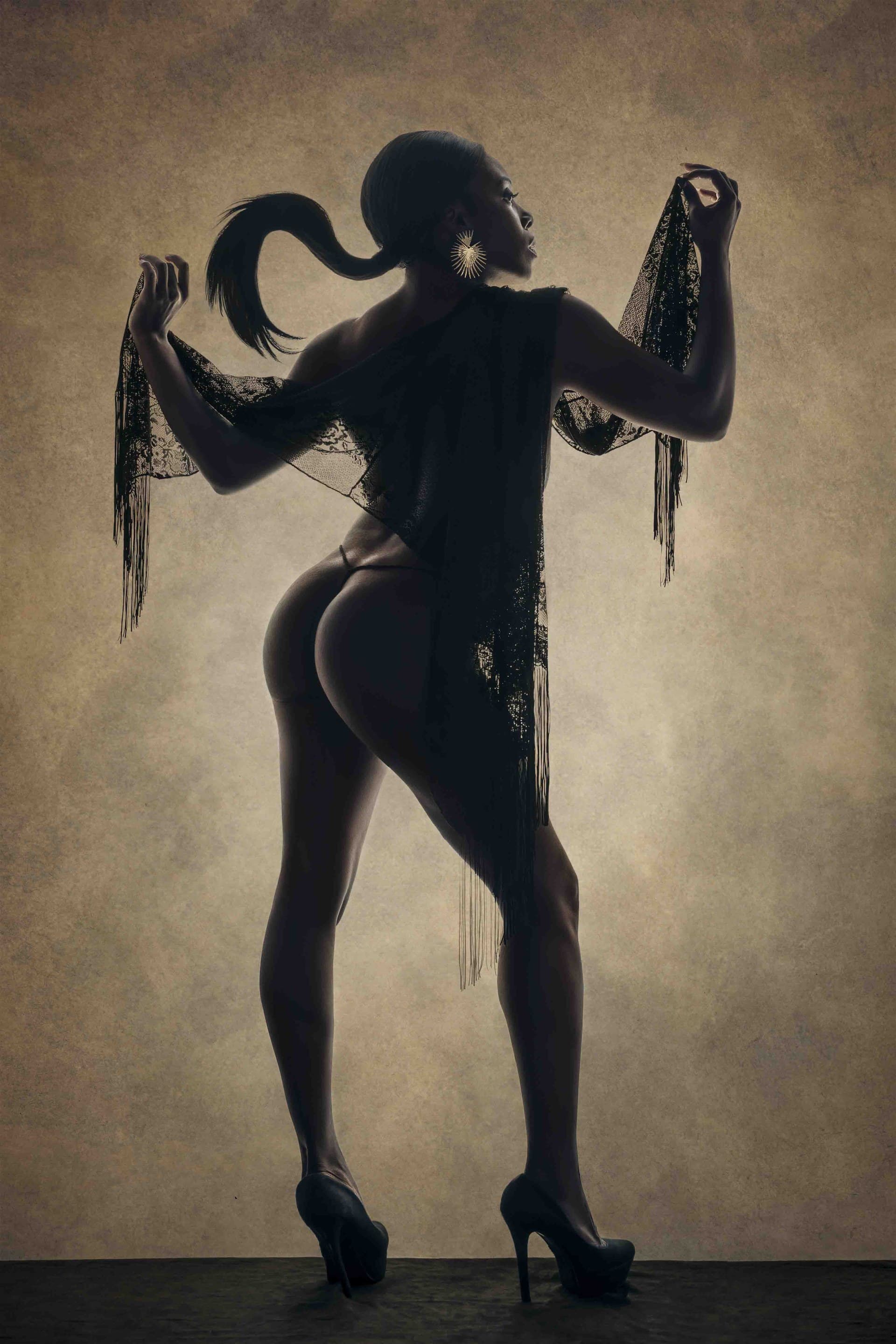
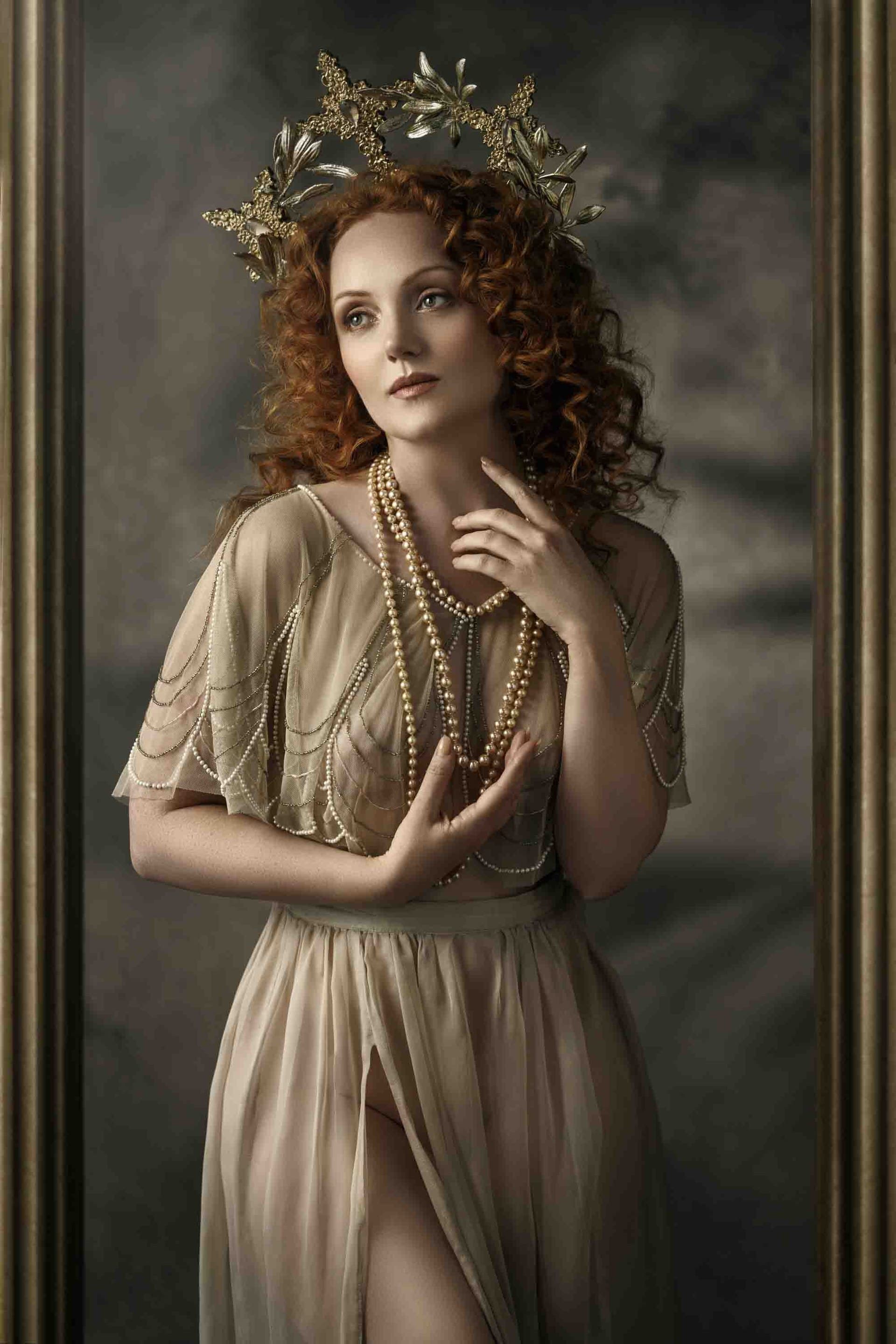
In a cinematic boudoir session, light does the storytelling. Soft, directional light across a shoulder. A single source carving shadow along a collarbone. The kind of contrast you'd expect from an old film still, not a phone camera. None of this happens by accident. It's built, test by test, before a single frame is taken.
At FABLE, every set is lit the way a cinematographer would light a scene, not the way a typical portrait studio lights a headshot. That's the quiet difference between photos that feel flat and ones that feel like they belong in a gallery. It's also why the same woman can look like three different characters across one session: the light changes the entire mood, even when nothing else does.
What Museum-Worthy Actually Means
It's a phrase that gets thrown around, so here's what it actually looks like in practice. It means the final images hold up printed large, on real walls, in real light, not just on a phone screen. It means the skin tones are true, the shadows have depth instead of just going dark, and the composition was considered before the shutter ever clicked. It means an album that feels curated, not just assembled.
This is the standard the work is held to, every time. Not because it sounds good, but because it's the difference between photos you look at once and ones you keep coming back to for years.
The Drive In From Thornhill
A lot of clients who book with FABLE live within a short drive, including plenty coming from Thornhill. It's an easy trip down into Vaughan, usually less than twenty minutes depending on where in the neighbourhood you're starting from, and most people find the drive itself becomes part of the wind-down before the session. No downtown traffic, no hunting for parking, just a straightforward path into a private studio built specifically for this kind of work.
If you're closer to Thornhill than to the studio and want more detail on what sessions typically look like for clients coming from that area, there's a dedicated page here: boudoir photographer serving Thornhill. It covers the practical side so the actual session can stay focused on the creative one.
What to Expect When You Book
Every session starts with a conversation, not a camera. That's where the mood gets decided: moody and cinematic, soft and romantic, bold and editorial, or some combination. From there, everything from wardrobe guidance to posing direction is built around that vision.
A few things stay consistent no matter the style chosen:
- You'll be guided through every pose, so no experience in front of a camera is needed
- Lighting setups change throughout the session to create distinct looks, not just variations of the same shot
- Pricing is always shared transparently before you book, so there are no surprises later
The goal isn't to get through a shot list. It's to walk away with a set of images that feel like they were made specifically for you, because they were.
Ready to See What's Possible
If this kind of editorial, fine art approach is what you've been picturing, the next step is simple. Reach out through the contact page and we'll talk through your vision, answer your questions, and find a date that works. No pressure, no obligation, just a real conversation about what this could look like for you.
More from the journal